
Developing Plant Identification Apps: Key Features And Technologies
As the world becomes increasingly digitized, the demand for innovative and user-friendly mobile applications continues to grow.One area that has seen significant progress is the development of plant identification apps (https://ai-plantfinder.com/). These applications utilize cutting-edge technology to assist users in identifying various plant species. They provide valuable information about the characteristics, growing requirements, and potential uses of each plant.
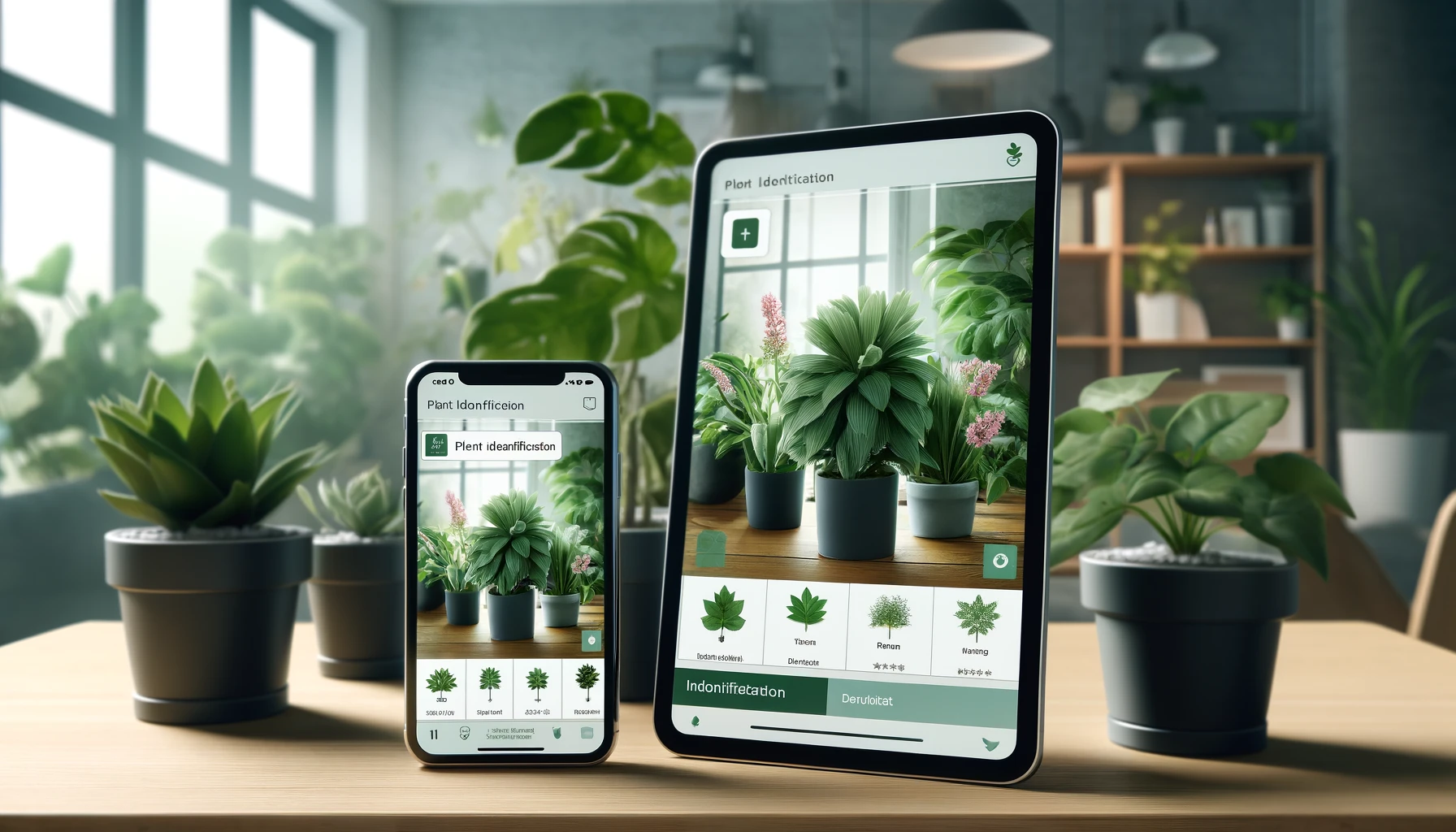
To create a successful plant identification app, developers should consider several key features and technologies. In this blog post, we will explore some of the essential elements that can be incorporated into such an app, as well as the technologies that can enhance its functionality and user experience.
Key Features of Plant Identification Apps
1. Image Recognition
The core functionality of a plant identification app lies in its ability to recognize and identify plants based on images captured by the user's device camera or uploaded from their photo library. This feature typically uses machine learning algorithms and computer vision techniques to analyze a plant's visual characteristics, such as its leaf shape, color, texture, and patterns.
Machine Learning and Computer Vision: These technologies are essential for processing and analyzing visual data. Machine learning models are trained on large datasets of plant images in order to recognize patterns and characteristics that are unique to different species. Computer vision algorithms enable the application to process images and extract relevant information for identification purposes.
User Experience: For a seamless user experience, the image recognition process must be quick and accurate. Users should be able to take a photo of a plant, upload it to the app, and receive an identification result within seconds. Additionally, providing tips on how to take clear and useful photos can improve the accuracy of the identification process.
2. Comprehensive Plant Database
A robust and up-to-date plant database is crucial for accurate identification. This database should contain a comprehensive collection of plant species, as well as detailed information about their scientific and common names, families, genera, and other relevant data.
Data Sources: The database should be compiled from reputable sources such as botanical gardens, academic institutions, and plant research organizations. Regular updates are necessary to ensure the inclusion of new species and the latest information.
User Contributions: Allowing users to contribute by uploading images and information about plants can help expand the database. However, user contributions should be reviewed and verified by experts to maintain accuracy and reliability.
3. Location-based Identification
Incorporating location data can significantly improve the accuracy of plant identification. By leveraging the device's GPS or other location services, the app can narrow down the search to plant species native or commonly found in the user's geographic region.
Geolocation: Utilizing the device's geolocation capabilities can help filter potential matches based on the user's location. This not only speeds up the identification process but also increases its accuracy, as certain plants are only found in specific regions.
Regional Databases: Creating regional databases within the app can provide more relevant results for users in different areas. This approach can also help highlight regional flora and promote local biodiversity awareness.
4. User-friendly Interface
A well-designed and intuitive user interface is essential for ensuring a seamless experience. The app should provide clear instructions, easy navigation, and a visually appealing layout that enhances the overall user experience.
Design Principles: Adopting minimalist design principles can make the app more user-friendly. Clear buttons, simple navigation menus, and concise instructions can help users quickly understand how to use the app.
Accessibility: Ensuring that the app is accessible to all users, including those with disabilities, is crucial. Features such as voice commands, adjustable font sizes, and high-contrast modes can improve accessibility.
5. Additional Features
To further enhance the app's functionality, developers may consider incorporating additional features such as plant care guides, identification tips, community forums, and integration with other gardening or botanical apps.
Plant Care Guides: Providing information on how to care for the identified plants can add value for users, especially those interested in gardening. These guides can include details on watering, sunlight requirements, soil preferences, and common pests.
Community Engagement: Creating a community forum within the app allows users to share their experiences, ask questions, and get advice from other plant enthusiasts. This can foster a sense of community and encourage users to engage more with the app.
Integration with Other Apps: Integrating with other gardening or botanical apps can provide users with a comprehensive toolkit for plant care and identification. For example, linking to a weather app can help users plan their gardening activities based on local weather conditions.
Key Technologies For Plant Identification Apps
Now, let's delve into the key technologies that power these features, making plant identification apps efficient, accurate, and user-friendly.
Machine Learning And Computer Vision
At the heart of plant identification apps are machine learning algorithms and computer vision techniques. These technologies enable the app to analyze and recognize plant images based on their visual characteristics.
Machine Learning Frameworks: Machine learning frameworks such as TensorFlow, PyTorch, and Keras provide the necessary tools to develop and train models capable of recognizing various plant species. These frameworks allow developers to build complex models that can learn from large datasets of plant images, improving their accuracy and reliability over time.
Computer Vision Techniques: Computer vision techniques are used to process and analyze the images captured by users. Techniques such as edge detection, feature extraction, and pattern recognition help identify key characteristics of plants, such as leaf shape, color, texture, and vein patterns. OpenCV is a popular library that provides a wide range of tools for implementing computer vision in plant identification apps.
Training Data: The accuracy of the machine learning models depends heavily on the quality and quantity of training data. Developers need to gather extensive datasets of labeled plant images to train their models effectively. These datasets should include images of plants from different angles, under various lighting conditions, and at different stages of growth to ensure the models can handle a wide range of scenarios.
Cloud Computing And APIs
Cloud computing and APIs play a crucial role in the development and deployment of plant identification apps. They provide the necessary infrastructure to store and process large amounts of data, ensuring the app can deliver fast and accurate results.
Cloud Storage: Cloud storage services such as Amazon S3, Google Cloud Storage, and Microsoft Azure Blob Storage offer scalable solutions for storing vast amounts of plant image data and metadata. These services ensure that the app's database remains up-to-date and accessible, regardless of the number of users or the volume of data.
APIs for Image Processing and Data Retrieval: APIs can be used to perform computationally intensive tasks such as image processing and data retrieval. For instance, Google Cloud Vision API and Microsoft Azure Computer Vision API provide powerful tools for analyzing plant images and extracting relevant features. Additionally, APIs can facilitate communication between the app and external databases, ensuring that the app has access to the latest plant information.
Scalability: Cloud computing services offer the scalability needed to handle varying levels of demand. During peak usage times, the app can leverage additional cloud resources to maintain performance and responsiveness. This flexibility ensures that the app remains efficient and user-friendly, even as its user base grows.
Augmented Reality (AR)
Incorporating augmented reality (AR) technology can enhance the user experience by overlaying additional information directly onto the camera view. This immersive approach can make plant identification more engaging and informative.
AR Frameworks: AR frameworks such as ARKit (for iOS) and ARCore (for Android) provide the tools needed to integrate AR features into plant identification apps. These frameworks enable the app to recognize and track plants in the real world, overlaying information such as plant names, descriptions, and care tips directly onto the camera view.
Interactive Learning: AR can transform plant identification into an interactive learning experience. Users can point their device's camera at a plant and see relevant information appear in real-time, helping them learn about the plant's characteristics, uses, and care requirements. This interactive approach can make the app more engaging and educational, encouraging users to explore and learn more about plants.
Geolocation And Mapping
Geolocation and mapping services are essential for providing location-based plant identification and additional context about the plants found in the user's area.
Geolocation Services: Utilizing the device's GPS or other location services allows the app to determine the user's geographic location. This information can be used to filter potential plant matches based on the region, increasing the accuracy of the identification process. For instance, the app can prioritize plants that are native to or commonly found in the user's location, reducing the likelihood of incorrect identifications.
Mapping APIs: Integrating mapping APIs such as Google Maps or Mapbox can enhance the app's functionality by providing users with information about nearby botanical gardens, nurseries, or parks. This feature can help users discover new plants and learn more about their local flora. Additionally, mapping APIs can be used to create visualizations of plant distributions, helping users understand the geographic range of different species.
Regional Databases: Developing regional databases within the app can provide more relevant results for users in different areas. These databases can include detailed information about local plant species, ensuring that the app delivers accurate and context-specific identification results. By focusing on regional flora, the app can also promote awareness and appreciation of local biodiversity.
Mobile Development Frameworks
To ensure cross-platform compatibility and a seamless user experience, developers can utilize popular mobile development frameworks such as React Native, Flutter, or Xamarin. These frameworks enable the development of high-quality apps that work smoothly on both iOS and Android devices.
React Native: React Native is a popular framework for building mobile apps using JavaScript and React. It allows developers to create native apps for both iOS and Android from a single codebase, reducing development time and effort. React Native's extensive library of components and community support make it an excellent choice for developing feature-rich plant identification apps.
Flutter: Flutter, developed by Google, is another powerful framework for building cross-platform mobile apps. It uses the Dart programming language and provides a rich set of pre-designed widgets, enabling developers to create visually appealing and highly performant apps. Flutter's hot-reload feature allows for quick iterations, making it easier to develop and refine the app's user interface and functionality.
Xamarin: Xamarin, a Microsoft-owned framework, allows developers to build cross-platform apps using C# and the .NET framework. Xamarin provides native performance and access to platform-specific APIs, ensuring that the app delivers a smooth and responsive user experience on both iOS and Android devices.
Best Practices For Developing Plant Identification Apps
Previously we explored the essential features and key technologies needed to create a successful plant identification app. Now, let's discuss best practices for developing these apps, including user testing, feedback integration, and continuous improvement strategies. We will also examine how these apps can contribute to environmental education, conservation efforts, and scientific research.
User Testing And Feedback Integration
User testing is a critical component of app development, ensuring that the final product meets user needs and expectations. Gathering feedback from real users helps identify usability issues, uncover bugs, and understand user preferences.
Conducting User Testing: Start by recruiting a diverse group of users, including both plant enthusiasts and casual users. Conduct usability testing sessions where participants use the app to identify plants. Observe their interactions, note any difficulties they encounter, and gather their feedback on the app’s functionality and design.
Feedback Mechanisms: Incorporate feedback mechanisms within the app, such as in-app surveys, rating systems, and feedback forms. Encourage users to share their experiences, report bugs, and suggest improvements. Regularly review and analyze this feedback to identify common issues and areas for enhancement.
Iterative Development: Adopt an iterative development approach, where the app is continuously refined based on user feedback. Implement changes incrementally, releasing updates that address user concerns and introduce new features. This approach ensures that the app remains responsive to user needs and continuously improves over time.
Continuous Improvement Strategies
Developing a plant identification app is not a one-time effort but an ongoing process that requires continuous improvement to stay relevant and effective. Here are some strategies to ensure the app remains up-to-date and valuable to users:
Regular Updates: Regularly update the app to include new plant species, improved algorithms, and enhanced features. Stay informed about advancements in machine learning, computer vision, and mobile development to incorporate the latest technologies.
Performance Monitoring: Continuously monitor the app’s performance using analytics tools. Track metrics such as app load times, image processing speeds, and user engagement. Use this data to identify performance bottlenecks and optimize the app for speed and efficiency.
Community Engagement: Foster a community of users who are passionate about plants and environmental conservation. Engage with users through social media, community forums, and in-app events. Encourage users to share their plant discoveries, participate in challenges, and contribute to the app’s database.
Collaboration with Experts: Collaborate with botanists, horticulturists, and plant enthusiasts to ensure the accuracy and reliability of the app’s database. Expert contributions can enhance the app’s credibility and provide users with valuable insights into plant identification and care.
Contributing To Environmental Education And Conservation
Plant identification apps have the potential to make a significant impact on environmental education and conservation efforts. By helping users learn about plants and their ecosystems, these apps can foster a greater appreciation for nature and inspire conservation actions.
Educational Content: Include educational content within the app, such as articles, videos, and infographics about plant biology, ecology, and conservation. Provide users with information about the importance of biodiversity, the role of plants in ecosystems, and how they can contribute to conservation efforts.
Citizen Science Projects: Encourage users to participate in citizen science projects by documenting and sharing their plant observations. Partner with environmental organizations and research institutions to collect valuable data on plant distributions, phenology, and biodiversity. This data can contribute to scientific research and inform conservation strategies.
Awareness Campaigns: Use the app to raise awareness about environmental issues, such as habitat loss, climate change, and invasive species. Launch in-app campaigns that highlight these issues and provide users with actionable steps they can take to make a difference, such as planting native species, reducing water usage, and supporting conservation initiatives.
Gamification and Rewards: Incorporate gamification elements, such as badges, leaderboards, and rewards, to motivate users to engage with the app and participate in conservation activities. Recognize and reward users for their contributions to the app’s database and their involvement in conservation efforts.
Expanding The App’s Reach
To maximize the impact of your plant identification app, consider expanding its reach by exploring new markets and user demographics. Here are some strategies to broaden the app’s user base:
Localization: Localize the app for different languages and regions to make it accessible to a global audience. Tailor the app’s content, including plant databases and educational materials, to reflect local flora and cultural contexts.
Partnerships: Form partnerships with educational institutions, botanical gardens, and environmental organizations to promote the app and integrate it into educational programs and conservation initiatives. Collaborate on joint projects, events, and campaigns to increase the app’s visibility and impact.
Marketing and Outreach: Invest in marketing and outreach efforts to raise awareness about the app. Utilize social media, content marketing, and influencer partnerships to reach potential users. Highlight the app’s unique features, educational benefits, and contributions to conservation.
Future Trends And Innovations
The field of plant identification apps is continually evolving, with new technologies and trends shaping the future of this space. Here are some emerging trends and innovations to watch for:
Advanced AI and Machine Learning: Advances in AI and machine learning will continue to improve the accuracy and speed of plant identification. Expect to see more sophisticated models that can handle complex identification tasks and provide more detailed information about plant species.
Integration with IoT Devices: Integrating plant identification apps with Internet of Things (IoT) devices, such as smart sensors and environmental monitors, can provide users with real-time data on plant health and growing conditions. This integration can enhance the app’s functionality and offer users a comprehensive plant care solution.
Virtual Reality (VR) and Augmented Reality (AR): The use of VR and AR technologies can create immersive educational experiences, allowing users to explore virtual botanical gardens, learn about plant anatomy, and interact with digital plant specimens. These technologies can make plant identification more engaging and educational.
Big Data and Analytics: Leveraging big data and analytics can provide insights into plant distribution, growth patterns, and environmental changes. This data can inform conservation efforts, support scientific research, and help users make informed decisions about plant care and gardening.
Harnessing Technology To Foster Plant Awareness And Conservation
Developing a plant identification app involves combining key features with advanced technologies to create a powerful and user-friendly tool. By focusing on image recognition, comprehensive plant databases, location-based identification, and a user-friendly interface, developers can create an app that meets the needs of plant enthusiasts and casual users alike.
Incorporating machine learning, cloud computing, augmented reality, and geolocation services further enhances the app’s functionality and user experience. Continuous improvement through user testing, feedback integration, and regular updates ensures that the app remains relevant and effective.
Plant identification apps have the potential to contribute significantly to environmental education, conservation efforts, and scientific research. By raising awareness about plant biodiversity, encouraging citizen science, and fostering a community of nature enthusiasts, these apps can make a meaningful impact on our understanding and appreciation of the natural world.
As we look to the future, staying abreast of emerging trends and innovations will be key to developing plant identification apps that are not only technologically advanced but also environmentally conscious and socially impactful. Embrace the challenge of creating a plant identification app and contribute to a greener, more informed, and connected world.