Foreign Coins Worth Money: How to Spot Valuable Pieces Without Being an Expert
Finding expensive foreign coins in old boxes or at street markets requires much time.
A person spends hours looking at many small metal objects without having a special university education about world history or money production.
Many people want to buy coins for a low price and sell them for a high price, so they must learn simple rules based on materials and small errors made by machines.
Identifying foreign coins worth money often starts with a check of the metal type because coins made of real silver or gold always cost more money compared to common coins made of nickel or copper.
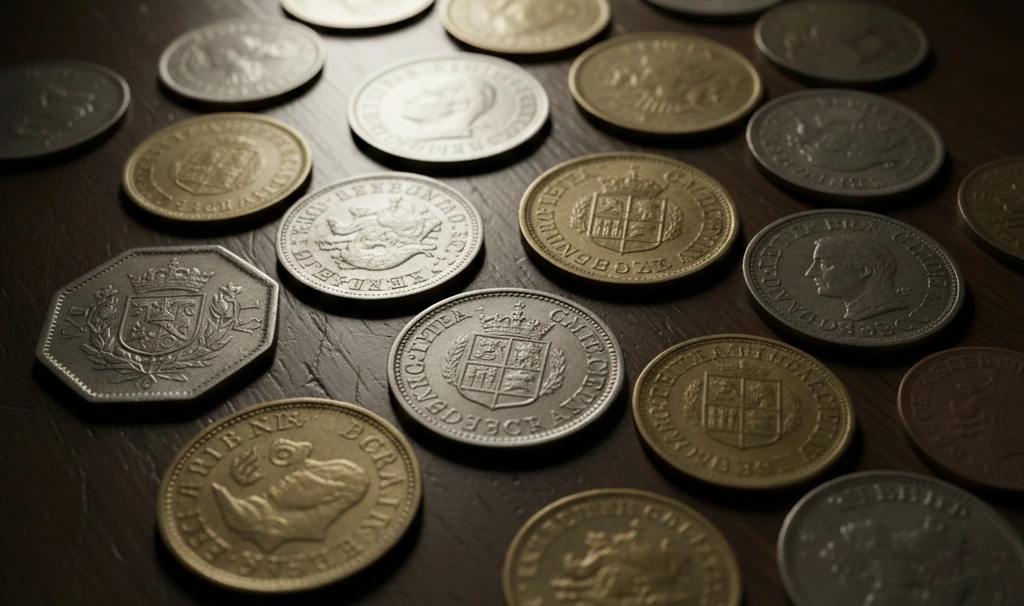
Standing in a busy market and holding a small metal disk, a person should look at the edges and the surface very carefully because small details show the difference between a normal coin and a rare treasure.
Basic Rules of Coin Observation
Before buying any foreign coin, a person must follow a specific plan focusing on physical characteristics and weight. Statistics show a positive trend where about 8% of mixed foreign coin bags sold in local shops contain at least one item worth five times the average price of the other coins.
Metal Quality and Density
Silver Coins: Real silver foreign coins have a specific weight and feel heavier than modern steel copies.
Gold Coins: Small gold coins stay bright for many decades and usually show a high value regardless of their country of origin.
Edge Details: Some coins have letters or deep marks on the side instead of being smooth. These items often come from older periods of history.
Metal Type | Physical Sign of Value | Action Needed |
Silver | Soft white color and heavy weight | Check the date for silver content |
Copper | Dark brown or green surface | Look for rare dates or mint marks |
Gold | Bright yellow color and no rust | Use a small scale to check grams |
Aluminum | Very light weight | Check for war-time production years |
Identifying Rare Mint Marks and Dates
A buyer looks at the small letters under the main image or near the date and often finds signs showing the specific city making the coin many years ago.
These mint marks are sometimes very small and hard to see, but they provide information about the rarity and the origin of the item.
People interested in foreign money should have a coin identifier app to see these letters clearly without making mistakes.
Finding a mark showing a small factory with low production numbers increases the chance of the coin being a real collector item.
A person avoids common coins produced in billions of copies and used by every person in a large country, so they focus only on specific years no longer seen in daily life.
Understanding Production Statistics
According to market reports, foreign coins with production numbers lower than 500,000 pieces represent 60% of the most wanted items for collectors.
A buyer uses a phone to search for the name of the country and the year found on the coin, and knows the potential price immediately.
Spotting Production Errors and Mistakes
A person checks the surface of foreign coins to look for mistakes made by the machines during the pressing process in the factory.
Real coins having images printed twice or having the front side turned 180 degrees compared to the back side cost much more money.
Identifying these errors helps a person confirm the rarity of the object without asking a professional expert for help.
Looking at the center of the coin, a buyer should see the image perfectly placed instead of seeing the metal being cut in the wrong way.
These mistakes show a failure in the factory's quality control. This process results in a unique item existing in very few copies today.
Common Errors to Search For
Off-Center Hits: The image moves to one side and leaves empty metal on the other side.
Double Dies: Letters appear twice on top of each other because of a machine problem.
Wrong Metal: A coin has the design of one value but the factory prints it on the metal of a different value.
Evaluating the Condition of the Coin
Searching for valuable foreign coins requires a careful look at the level of wear and the scratches on the surface.
High-quality coins stay in high demand despite being many years old because all the small details of the hair or the leaves remain clearly visible.
A person finds a coin in a protective plastic bag or a box, and this situation suggests the item stayed with a careful collector in the past.
A buyer avoids coins with deep scratches or coins cleaned with chemical liquids to keep the value high for future sales. Seeing a coin with a dark natural color is better than seeing a shiny coin cleaned with soap because collectors prefer the original surface.
Condition Statistics
Market data suggests a significant price difference where a rare coin in perfect condition with no scratches sells for ten times more money than the same coin showing signs of heavy use.
Grade | Physical Appearance | Market Value Status |
Uncirculated | No scratches and original shine | Highest possible value |
Fine | Some details of the hair visible | Average market value |
Good | Main images visible but flat | Low value for common items |
Poor | Dates and letters hard to read | Minimal value unless very rare |
Where to Look
A person looks at coins from specific regions like small islands or countries no longer existing on the map and checks the names carefully. A coin from a colony covered by a large empire often costs more than a coin from the main country itself.
A buyer looks at the language used for the letters and sees the history of the region changing over time because of wars or new governments.
Small symbols from local kings or specific colonial marks give more information about the historical period of the piece.
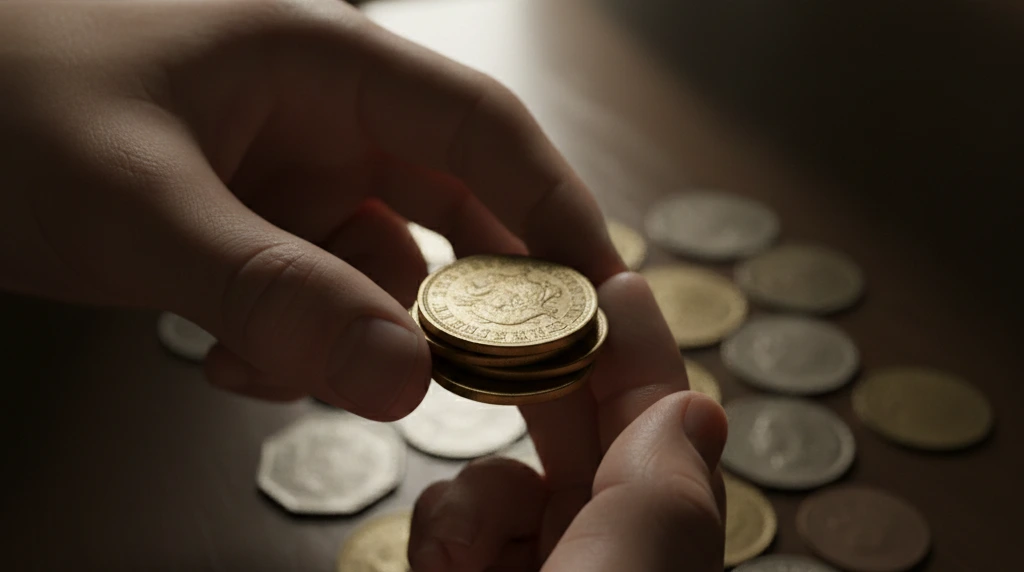
Finding an old coin from a small African or Asian colony does not always mean a low price because many European collectors search for these specific items.
Geographic Value Factors
Small Islands: These coins have very low production because of the small population.
Short-Lived Countries: People used this money only for a few years before a country changed its name.
Silver Standards: Some countries kept silver in their coins longer than others in the 20th century.
Using Modern Tools for Identification
Collecting foreign coins involves using technology to identify the language and the value of the money. A person holds a coin with strange letters and feels confused without an app for translating the text on the screen.
A buyer uses a digital scale to measure the weight in milligrams and knows if the silver content is correct based on official records. Searching for online databases with lists of every coin made in the world is a good strategy because these websites provide photos for comparison.
Recommended Steps for Identification
Identify the Script: Use a translation tool for coins having Arabic, Chinese, or Cyrillic letters.
Measure the Size: Use a ruler to check the diameter in millimeters.
Check the Weight: Compare the weight with the official data found on the internet.
Conclusion and Final Advice
Spending every weekend visiting different markets allows a person to build a personal database of world money knowledge.
Statistics show that people who check more than 200 foreign coins with the coin value checker app per week find a silver or rare item at least twice every year.
Remembering the rules about weight, mint marks, and errors helps a person become a successful buyer without spending money on expensive expert services.
A person avoids quick decisions and checks the metal type to ensure a low risk of losing money on modern coins with no historical value.
Carrying a small kit containing a magnifying glass and a magnet for checking steel content makes the process of identifying treasures easier for a beginner.